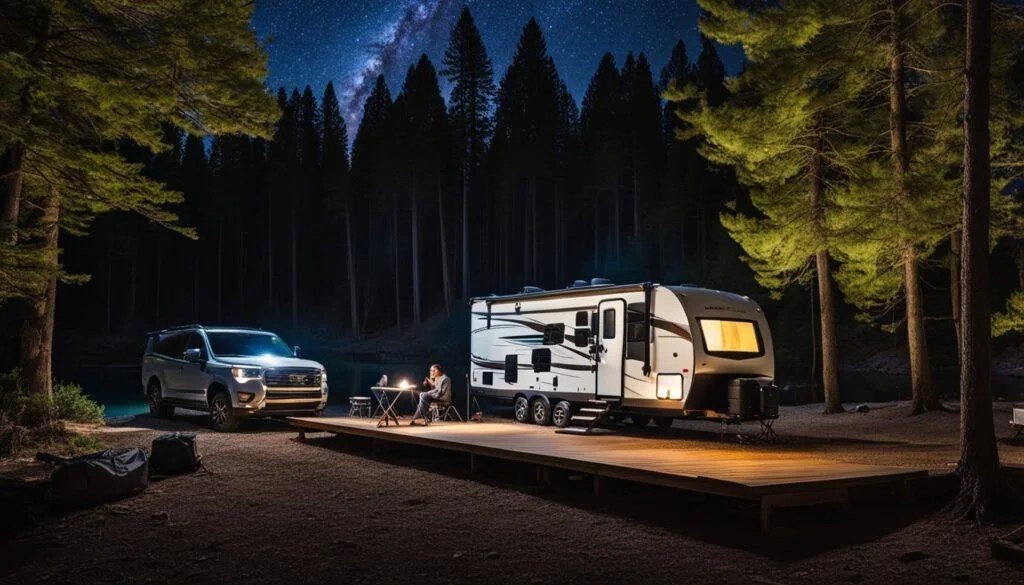
Alright, let's talk power. Not just any power, but the kind that keeps your fridge humming during an outage, your RV air conditioner blasting in the desert, or your campsite glowing under the stars. We're diving deep into the Top Use Cases for 3500W Generators in Home Backup, RV, Camping, a sweet spot of capability and convenience that often gets overlooked.
Consider this your backstage pass to understanding why a 3500-watt generator might just be the most versatile tool in your arsenal. It's portable enough to toss in the truck, yet potent enough to handle a surprising array of tasks, making it a favorite for homeowners, adventurers, and outdoor enthusiasts alike. Forget the days of bulky, roaring machines; today's 3500W models are smarter, quieter, and more efficient than ever.
At a Glance: Your 3500W Generator Superpower
- Versatile Performer: Ideal balance of power for essential home backup, common RV needs, and comfortable camping.
- Portable Punch: Many models weigh under 60 pounds, making them easy to transport and set up.
- Quiet Operation: Modern inverter technology ensures a peaceful experience, often quieter than a normal conversation.
- Fuel Flexibility: Choose from gasoline-only or dual-fuel (gasoline and propane) options for extended run times and convenience.
- Smart Power: Clean, stable electricity for sensitive electronics, plus dedicated RV and USB outlets.
- Safety First: Features like carbon monoxide detection and automatic shutdowns are standard on leading models.
The Sweet Spot: Why 3500 Watts Hits Different
In the world of portable power, wattage dictates capability. Too little, and you're constantly juggling appliances; too much, and you're hauling a behemoth you don't truly need. The 3500-watt generator, particularly an inverter model, strikes a near-perfect balance. It typically offers around 3000-3200 running watts and a peak (or starting) wattage of 3500-4000 watts, providing enough juice for critical appliances without sacrificing portability.
This output range means you're not just powering a lightbulb; you're running refrigerators, microwaves, small air conditioners, and charging all your essential devices simultaneously. Brands like MaXpeedingrods, Pulsar, and Generac have pushed the envelope, offering compact designs that belie their power. They've also embraced inverter technology, which delivers "clean" sine wave power, crucial for protecting your sensitive electronics from voltage spikes and drops. This is a significant leap from older, conventional generators that produced less stable power.
Powering Your Peace of Mind: Home Backup Scenarios
When the lights go out, a 3500W generator becomes your unsung hero. It's not designed to power your entire mansion (think central air and electric range), but it's remarkably capable of keeping your household’s critical functions operational. This is where the true value for emergency preparedness shines.
Keeping Essentials Humming
Imagine a typical power outage. What do you really need? Your refrigerator, so your food doesn't spoil. Some lights to navigate safely. A fan for comfort. Maybe a modem/router to stay connected and charge your phones. A 3500W unit can comfortably handle this load.
For instance, a standard refrigerator might draw 600-800 watts (starting) and 150-200 watts (running). A few LED lights could be negligible, perhaps 10-20 watts each. Your modem and laptop? Another 100-200 watts combined. Even a small window AC unit (around 1000-1500 running watts, 2000-2500 starting watts) is within reach for many 3500W generators.
Strategic Setup: What to Consider
Using a generator for home backup requires a thoughtful approach to safety and efficiency.
- Prioritize Circuits: Identify your truly essential items. You might need to rotate heavier-draw appliances (e.g., run the microwave briefly, then turn it off before powering a hairdryer).
- Transfer Switch vs. Extension Cords: For whole-house backup, a professionally installed manual transfer switch is the safest and most convenient option. It isolates your home from the grid, preventing dangerous backfeed. However, for a 3500W unit powering only a few items, heavy-duty extension cords are often used, connecting directly from the generator to individual appliances. Just ensure they are outdoor-rated and appropriately gauged for the load.
- Safety First: Always operate your generator outdoors, at least 20 feet from windows and doors, to prevent carbon monoxide poisoning. Modern units like the Champion 3500-Watt Portable Inverter Generator and the GENMAX Portable Generator feature integrated CO Shield or CO Detect systems that automatically shut down the generator if dangerous carbon monoxide levels are detected. This is a non-negotiable safety feature you should always look for. Understanding generator safety is crucial for both peace of mind and preventing accidents. For more on this, check out our guide to generator safety to make sure you're operating your equipment responsibly.
Unleash the Open Road: RV Adventures with 3500W
For RV enthusiasts, a 3500W generator is often the perfect companion for boondocking, dry camping, or simply extending your stay in remote areas where shore power isn't available. It provides the freedom to run many of the comforts of home, even miles from the nearest outlet.
Powering Your Mobile Abode
Many mid-sized RVs with a 13,500 BTU air conditioner can be powered by a 3500W generator, especially one with strong starting watts like the Pulsar PGD40ISCO (4000 peak watts) or the Generac iQ3500 (with PowerRush Technology for over 50% more starting capacity). The AC unit is often the largest power draw, so confirm your generator can handle its surge requirements.
Beyond AC, you can typically run:
- Microwave: For quick meals (1000-1500 watts).
- Coffee Maker: Your morning essential (800-1200 watts).
- Lights & Water Pump: Essential for daily living.
- Entertainment: TV, satellite dish, gaming consoles.
- Charging Stations: Keep all your devices topped up.
Many 3500W generators, like the MaXpeedingrods 3500W Inverter Generator, come equipped with a dedicated 120V 30A RV outlet, making direct connection to your RV’s shore power inlet a breeze (with the correct adapter). This simplifies setup and ensures a safe, consistent power supply.
Boondocking Bliss
The real joy of an RV generator comes from the ability to venture off-grid. A dual-fuel model, like the MaXpeedingrods dual-fuel option or the GENMAX Portable Generator, offers incredible flexibility. Propane has a longer shelf life and burns cleaner, making it great for storage and use in tighter spaces, though it offers slightly less power output. Gasoline typically provides more energy density and broader availability. This choice lets you adapt to different situations, ensuring you always have power on hand.
For RVers, understanding your power needs and the right generator to meet them is key. Delve deeper into making the right choice for your nomadic lifestyle with our detailed guide to RV living essentials.
Wilderness Comfort: Camping Made Easier
Forget roughing it entirely. With a 3500W generator, camping transforms into "glamping" – glamorous camping. You get the best of both worlds: the beauty of nature without sacrificing essential conveniences.
Bringing Civilization to the Campsite
Whether you're car camping, running a large family tent, or setting up a multi-day basecamp, a 3500W generator can power:
- Lighting: String lights, lanterns for ambiance and safety.
- Electric Coolers: Keep food and drinks chilled without constantly buying ice.
- CPAP Machines: Crucial for many campers with sleep apnea.
- Portable Fans/Heaters: Depending on the weather.
- Device Charging: Phones, cameras, drones, portable speakers.
- Small Cooking Appliances: Electric griddles, slow cookers, coffee makers.
The Sound of Silence (Almost)
One of the biggest concerns for campers is noise. A roaring generator can quickly ruin the tranquility of nature. This is where modern 3500W inverter generators truly shine. Many models operate at remarkably low noise levels. The Champion 3500-Watt Portable Inverter Generator, for example, operates at a quiet 58 dBA, which is comparable to a normal conversation. The Pulsar PGD40ISCO is noted for its "ultra-low noise," and Generac's iQ3500 boasts an "ultra-quiet enclosure design." Always check the dBA rating; generally, anything under 65 dBA is considered campground-friendly.
Pack Light, Power Big
Portability is paramount for camping. Units like the MaXpeedingrods (47 pounds) and Pulsar (51 pounds) are lightweight enough for one person to maneuver. Models like the GENMAX add telescopic handles and rolling wheels, further enhancing mobility even at 56.2 pounds, making transport to and from your campsite effortless. When you're packing up for your next adventure, consider how easy your power source is to manage. If you're looking for more ways to enhance your outdoor experience, explore our latest camping gear reviews.
Beyond the Basics: Other Practical Uses
While home backup, RVing, and camping are primary use cases, the versatility of a 3500W generator extends to other scenarios:
- Job Sites: Powering drills, saws, air compressors for light-duty construction or DIY projects.
- Outdoor Events: Festivals, tailgates, farmers' markets – providing power for sound systems, food warmers, lighting.
- Emergency Preparedness Kits: A reliable power source for natural disaster recovery, offering flexibility beyond home use.
These generators represent a significant leap forward in portable power solutions, offering robust performance in a compact, user-friendly package. For a broader look at the market, including various sizes and types, our guide to portable power solutions offers comprehensive insights.
Choosing Your Perfect Power Pal: A Savvy Buyer's Guide
Selecting the right 3500W generator means weighing several factors against your specific needs. Here's what to look for:
Wattage Wisdom: Running vs. Starting Power
Always consider both running (rated) and starting (peak) watts. Running watts determine what appliances can operate continuously, while starting watts handle the brief power surge when motors kick on (like refrigerators or ACs). A generator with 3000-3200 running watts and 3500-4000 peak watts, like the Pulsar PGD40ISCO (3200 rated / 4000 peak) or the Generac iQ3500 with its PowerRush Technology, offers excellent flexibility. Ensure the peak wattage is sufficient for your highest surge-demand appliance.
Portability & Weight: Your Back (and Wheels) Will Thank You
If you plan to move your generator frequently, weight matters. Units under 60 lbs are generally considered highly portable. The MaXpeedingrods at 47 pounds and the Pulsar at 51 pounds are great examples. For slightly heavier units, look for integrated wheels and sturdy handles, like those found on the 56.2-pound GENMAX, to make transport easier.
Fuel Flex: Gasoline, Propane, or Both?
- Gasoline: Generally offers higher power output and is widely available. However, it has a limited shelf life and can be messy.
- Propane: Cleaner burning, longer storage life, and readily available in tanks. It's often slightly less powerful than gasoline for the same engine size.
- Dual-Fuel: Models like the MaXpeedingrods dual-fuel and GENMAX Portable Generator offer the best of both worlds, letting you switch based on availability or preference. This is a huge plus for versatility and emergency preparedness.
Outlets & Connectivity: Hooking Up Your Life
Check the outlet selection to ensure it meets your needs. Look for:
- Standard 120V 20A AC outlets: For most household devices.
- 120V 30A RV outlet: Essential for direct RV hookup, as seen on the MaXpeedingrods.
- USB ports: For convenient charging of phones, tablets, and other small electronics.
- 12V DC outlet: For automotive accessories or battery charging.
Quiet Please! Noise Levels for Serenity
For camping or residential backup, a quiet generator is a game-changer. Compare dBA ratings, with lower numbers indicating quieter operation. Models like the Champion (58 dBA), Pulsar (ultra-low noise), and Generac (ultra-quiet enclosure) are leaders in this regard. Anything under 65 dBA is generally considered acceptable for most environments.
Run Time & Fuel Efficiency: Go the Distance
Consider how long your generator can run on a single tank of fuel at varying loads. Economy or Eco modes, common on inverter generators like the MaXpeedingrods (8.3 hours at 25% load), significantly extend run time by adjusting engine speed to match demand. The Champion offers up to 10 hours on a 1.2-gallon tank, showcasing excellent efficiency. Longer run times mean fewer refuels and more uninterrupted power.
Safety First: Built-in Protection
Prioritize safety features:
- CO Shutoff: Crucial for preventing carbon monoxide poisoning. Champion's CO Shield and GENMAX's CO Detect are excellent examples.
- Automatic Shutoff: Overload protection and low-oil shutdown prevent damage to the generator.
- Grounding: Proper electrical grounding is vital for safety.
- EPA Compliance: Ensures the generator meets environmental standards.
Starting Up: Ease of Use Features
Nobody wants a wrestling match with their generator, especially in an emergency. Look for features that simplify starting and operation:
- Electric Start: Often with a battery included (like Generac iQ3500).
- Remote Start: Via a key fob, as offered by the GENMAX.
- Recoil Start: A reliable backup.
- Intuitive Control Panels/Dials: The Champion's EZ Start Dial and Generac's PowerDial make operation straightforward.
- Digital Data Centers: GENMAX includes a digital display for monitoring hours, voltage, loading, and fuel.
Future-Proofing: Paralleling Capability
Some generators, like the Champion, offer an optional parallel kit. This allows you to connect two identical units together to effectively double your power output. This is a smart feature if you anticipate needing more power in the future but want to maintain the portability of smaller individual units.
Durability & Value: An Investment That Lasts
Look for robust construction, a strong warranty, and easily accessible components for maintenance (e.g., air filters, oil drains). While a higher initial price might seem steep, it often translates to better fuel economy, a longer service life, and more reliable performance over time. Investing in a quality generator is an investment in your peace of mind. For a more tailored approach to finding the right generator for your needs, our guide on how to choose the right generator can provide deeper insights.
Real-World Reliability: Top 3500W Generators in Focus
The market offers several excellent 3500W options, each with its unique strengths:
- MaXpeedingrods 3500W Inverter Generator: Known for its compact size (47 lbs) and the convenience of a 120V 30A RV outlet, making it an RV-ready champion right out of the box. Its dual-fuel option further enhances its versatility.
- Champion 3500-Watt Portable Inverter Generator: A standout for quiet operation (58 dBA) and advanced safety with its CO Shield technology. Its impressive 10-hour run time on a small tank makes it incredibly fuel-efficient. Our comprehensive guide to Champion 3500 watt generators explores this model and its siblings in more detail.
- Pulsar PGD40ISCO Inverter Generator: An exceptionally portable option at 51 pounds, delivering strong 3200 rated watts and a robust 4000 peak watts. Its ultra-low noise profile is a major plus for sensitive environments.
- Generac 3,500-Watt Gas-Powered Inverter Generator (iQ3500): Leverages advanced PowerRush Technology for superior starting capacity and includes electric start. Its intuitive PowerDial and ultra-quiet design make it highly user-friendly.
- GENMAX Portable Generator: A dual-fuel powerhouse with a 145cc 4-stroke OHV engine. It prioritizes portability with a telescopic handle and wheels, along with a CO Detect system and remote start for ultimate convenience. The digital data center is a welcome addition for monitoring performance.
- AFOERIT Unit: Emphasizes dependability with smooth power delivery and a focus on portability and quiet operation, ideal for those seeking a no-fuss, reliable source of power.
These examples highlight the innovation in the 3500W segment, offering robust features tailored to specific user needs while maintaining the core benefits of this wattage class.
Common Questions & Smart Answers
Let's clear up some common queries about 3500W generators.
Q: Can a 3500W generator run an entire house?
A: No, not typically. A 3500W generator is perfect for essential circuits like refrigerators, lights, fans, and small electronics. It won't power large appliances simultaneously, such as central air conditioning, electric ranges, or electric water heaters, which require much higher wattage. It's about powering your critical needs, not your entire home.
Q: Is 3500W enough to run an RV air conditioner?
A: Often, yes! Many 13,500 BTU RV AC units can run on a 3500W generator, especially if the generator has a good surge wattage and you manage other power draws. However, larger 15,000 BTU units might be a stretch, particularly if other high-draw appliances are also running. Always check the AC unit's specific starting and running wattage requirements.
Q: What's the main difference between an inverter generator and a conventional generator?
A: Inverter generators produce clean, stable AC power (pure sine wave) comparable to grid power, making them safe for sensitive electronics. They're also significantly quieter, more fuel-efficient, and lighter than conventional generators of similar output. Conventional generators produce "dirty" power, which can be harmful to electronics, and are much louder and heavier. For 3500W, an inverter model is almost always the superior choice.
Q: How loud is "too loud" for camping?
A: Most campgrounds have noise limits, often around 60-65 dBA. A generator operating above this level can disturb fellow campers. Modern 3500W inverter generators are typically well within this range, with some like the Champion coming in at a very quiet 58 dBA. Always check campground rules and your generator's dBA rating.
Q: How often should I run my generator for maintenance?
A: It's a good practice to run your generator for 15-30 minutes every month or two, under a light load, to keep the engine lubricated and ensure it's ready when you need it. Make sure to use fuel stabilizer if you're not going to use up the fuel quickly. This also helps you become familiar with its operation before an emergency strikes.
Making Your Power Decision: What's Next?
Choosing the right 3500W generator boils down to understanding your primary use case and prioritizing features. If silent operation for camping is paramount, look for the lowest dBA. If RV power is your main goal, ensure a 30A RV outlet and sufficient starting watts for your AC. For home backup, focus on reliability, fuel efficiency, and critical safety features like CO shutdown.
No matter your adventure or emergency, a 3500-watt generator offers a powerful, portable, and increasingly smart solution. It's an investment that pays dividends in comfort, convenience, and peace of mind. Now, armed with this knowledge, you're ready to select the perfect power companion to keep your life running, wherever you are.