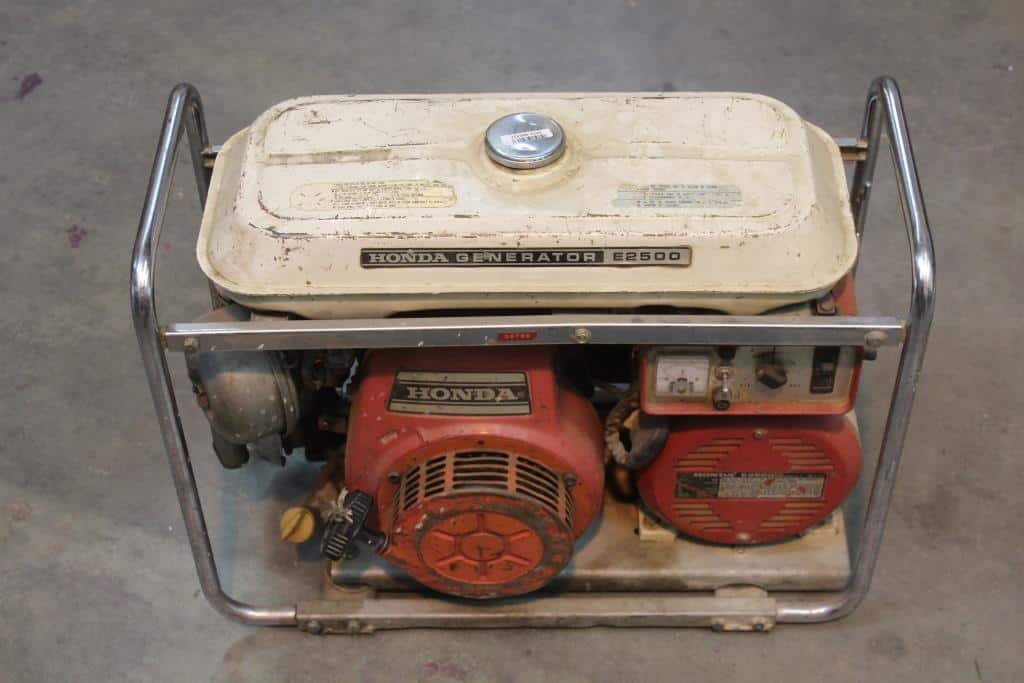
Few investments offer the peace of mind quite like a reliable home generator. It’s more than just a machine; it's a silent guardian, ready to spring to life when the grid goes dark, protecting your comfort, food, and essential systems. But like any complex piece of machinery, a generator isn't a "set it and forget it" solution. To truly get the most out of your unit—ensuring it performs flawlessly during critical moments and serves you for decades—you need a proactive strategy for Troubleshooting & Extending Your Generator's Lifespan.
Think of your generator not just as an appliance, but as an essential utility infrastructure for your home. With the right care, a quality standby generator, much like a well-regarded Generac unit, can reliably serve you for 20 to 30 years. Neglect, however, or a slip-up during installation can easily halve that impressive lifespan. The good news? Most of the factors dictating your generator's longevity are entirely within your control.
At a Glance: Key Takeaways for Generator Longevity
- Proper Sizing is Paramount: Avoid the pitfalls of oversized (wasteful) or undersized (overloaded) units.
- Professional Installation Pays Off: Correct wiring, grounding, and fuel integration prevent early failures.
- Load Management is Smart: Automatically prioritizing essential circuits reduces strain and saves fuel.
- Maintenance is Non-Negotiable: Regular oil changes, filter replacements, and battery checks are vital.
- Test Under Load: Simulate real outages with load bank testing to uncover hidden issues and prevent problems like "wet stacking."
- Location Matters: Choose a spot with good air circulation, away from hazards and protected from the elements.
- Address Issues Promptly: Small problems can quickly snowball into expensive, system-wide failures if ignored.
Why Chasing Generator Longevity Isn't Just for Enthusiasts
You might wonder if all this fuss about extending generator life is truly necessary. In short, absolutely. Investing time and effort into your generator's health translates directly into tangible benefits for your household and your wallet:
- Fewer Emergency Breakdowns: A well-maintained generator is less likely to fail when you need it most.
- Lower Long-Term Repair Costs: Proactive care prevents minor issues from escalating into major, costly repairs.
- Better Fuel Efficiency: Optimal performance means less wasted fuel, saving you money over time.
- Reliable Performance During Outages: You can trust your power source will deliver when it counts.
- Stronger Return on Investment: Maximizing lifespan means you get more years of service from your initial purchase.
Ultimately, generator longevity ensures uninterrupted comfort, safety, and security, making every bit of preventative effort worthwhile.
The Silent Saboteurs: Common Problems That Shorten Generator Life
Before we dive into the solutions, it's crucial to understand the most common enemies of generator longevity. Recognizing these pitfalls is the first step toward avoiding them.
Incorrect Generator Sizing: The Goldilocks Dilemma
One of the biggest culprits in premature generator failure is improper sizing. It’s a common misconception that "bigger is always better."
- Oversized Units: These run inefficiently, wasting fuel and failing to reach optimal operating temperatures. This often leads to carbon buildup (a precursor to wet stacking in diesel units) and other issues from under-loading.
- Undersized Units: On the flip side, a generator that's too small for your needs will constantly run overloaded. This causes excessive wear and tear on components, leads to overheating, and significantly shortens the engine's life. It's like asking a marathon runner to sprint constantly; they'll burn out fast.
Poor Installation: A Faulty Foundation
A generator is a complex piece of equipment with electrical, fuel, and exhaust systems. Shortcuts during installation are a recipe for disaster.
- Improper Wiring & Grounding: Can lead to electrical faults, component damage, and safety hazards.
- Inadequate Fuel Supply Integration: Incorrect hookups can cause fuel delivery issues, engine stuttering, or even leaks.
- Insufficient Ventilation & Clearance: Generators generate heat and exhaust. Without proper airflow, components can overheat, and dangerous fumes can accumulate.
Professional installation isn't just about convenience; it's about safety, compliance, and guaranteeing the system starts on solid ground.
Load Imbalance and Overload: Pushing the Limits
Even with a correctly sized and installed generator, how you manage your power usage during an outage matters. Running too many high-demand appliances simultaneously puts immense strain on the unit. This constant overworking accelerates wear on critical components, reduces fuel efficiency, and can lead to early failure.
Lack of Preventive Maintenance: The Slow Decay
This is arguably the most common and easily avoidable problem. Just like your car, a generator has moving parts, fluids, and filters that need regular attention.
- Skipped Oil Changes: Dirty oil loses its lubricating properties, causing increased friction and wear.
- Dirty Filters: Clogged air filters starve the engine of oxygen, while dirty fuel filters restrict flow.
- Neglected Batteries: A weak battery is the leading cause of "no-start" scenarios, rendering your generator useless when you need it most.
- Ignored Exercise Cycles: Generators need to run periodically to keep components lubricated and prevent fuel stagnation.
These seemingly small oversights lead to internal damage, reduced efficiency, and ultimately, a much shorter lifespan.
Ignoring Load Shedding Technology: Working Harder, Not Smarter
Many modern generators come with advanced load management capabilities. Ignoring or not utilizing these systems forces your generator to handle every single demand placed upon it, whether critical or not. This means the engine works harder than necessary, accelerating wear and burning more fuel.
Wet Stacking (Diesel Engines): The Diesel Dilemma
Specifically relevant for diesel generators, wet stacking occurs when the engine operates under light load for extended periods (often under 60% of its rated power). Unburned fuel and carbon leak into the exhaust system, creating a thick, black, tar-like buildup. This reduces efficiency, can cause rough running, and eventually damages the engine. Causes include:
- Improper air-fuel ratio
- Consistent under-loading
- Operating in unsuitable temperatures
- Infrequent load bank testing
Recognizing these issues is the first step. Now, let's explore the proactive strategies that will turn your generator into a long-lasting, reliable workhorse.
Blueprint for Endurance: Best Practices to Extend Your Generator's Lifespan
Extending your generator's life isn't a mystery; it's a systematic approach rooted in best practices. Follow these steps, and you'll ensure your unit provides reliable power for decades.
1. Getting It Right from Day One: Choosing & Sizing Your Generator
The journey to a long-lived generator begins long before installation—it starts with thoughtful selection. This isn't just about picking a brand; it's about a strategic match to your specific needs.
- Total Electrical Load Calculation: Work with a professional to perform a detailed assessment of your home's total electrical demand. This involves measuring or estimating the wattage of all appliances and systems you might want to power.
- Critical vs. Non-Critical Circuits: Categorize your circuits. What absolutely must run during an outage (furnace, refrigerator, medical equipment)? What's nice to have but not essential (dishwasher, secondary TVs)? This helps you understand your baseline power needs.
- Planning for Future Power Needs: Consider any upcoming additions like an electric vehicle charger, a new appliance, or a home expansion. A slightly larger generator now might save you from needing a replacement later.
- Choosing a Reliable Brand with Strong Support: Select a reputable manufacturer known for durability and readily available parts and service. This ensures optimal performance without unnecessary strain and provides peace of mind that help is available if issues arise. For instance, if you're looking at smaller portable options, understanding the nuances of a the Champion 3500 watt generator involves evaluating its specific features and capacity against your actual needs.
By finding the "just right" generator, you prevent the inherent inefficiencies and accelerated wear that come with improper sizing.
2. The Foundation of Reliability: Invest in Professional Standby Generator Installation
Once you have the right generator, ensure it’s installed correctly. This is not a DIY project for most homeowners; it requires specialized knowledge and adherence to strict safety codes.
- Correct Electrical Connections: Proper wiring ensures your generator integrates seamlessly and safely with your home's electrical panel.
- Safe Grounding and Bonding: Essential for preventing electrical hazards and ensuring the system functions as intended.
- Proper Fuel Supply Integration: Whether natural gas or liquid propane, safe and compliant fuel line installation is critical to prevent leaks and ensure consistent fuel delivery.
- Adequate Ventilation and Clearance: Professional installers ensure your generator has sufficient space for airflow, preventing overheating, and that exhaust is safely directed away from living spaces.
- Compliance with Local Codes: Installation must meet all local electrical, gas, and building codes. Professionals navigate this complex regulatory landscape, preventing future issues or fines.
Professional installation prevents early component failure due to shortcuts and sets your generator up for a long, trouble-free life.
3. Work Smarter, Not Harder: Harnessing Advanced Load Management and Load Shedding
Modern generator technology offers incredible tools to optimize performance and extend lifespan. Load management and load shedding systems are prime examples.
- What It Is: These are intelligent systems that automatically monitor and manage your home's power demand during an outage. They prioritize essential circuits (like your refrigerator or furnace) and, if the demand exceeds the generator's capacity, temporarily "shed" or turn off non-critical loads (like an electric dryer or water heater) until power demand stabilizes.
- Benefits You'll See:
- Reduced Engine Strain: By preventing overloads, the engine doesn't have to work harder than necessary.
- Lower Fuel Consumption: Only the necessary power is generated, leading to more efficient fuel use.
- Improved Voltage Stability: Consistent load prevents voltage fluctuations that can damage sensitive electronics.
- Longer Alternator Life: The alternator, which converts mechanical energy into electrical power, is protected from excessive strain.
Embracing load management allows your generator to "think" for itself, working smarter, not harder, and significantly contributing to its longevity.
4. The Lifeline of Your System: Follow a Consistent Preventative Maintenance Schedule
This is the cornerstone of generator longevity. Just like your car needs regular oil changes, your generator requires consistent care to prevent wear and tear.
- Manufacturer Guidelines are Your Bible: Always review and strictly adhere to the recommendations in your generator's owner's manual. This includes specifics for maintenance intervals, load capacity, fuel type, and operational practices.
- Routine Care Schedule:
- Performance Testing: Run your generator regularly (weekly or bi-weekly) for at least 15-30 minutes, ideally under a small load, to ensure it starts and runs smoothly.
- Visual Inspections: Before and after each exercise cycle, check for leaks (oil, fuel, coolant), loose wires, unusual noises, or visible damage.
- Fluid Analyses: Periodically, professionals can perform fluid analysis on oil and coolant to detect microscopic wear particles or fluid degradation, signaling potential problems early.
- Professional Service is Key: Even with diligent routine care, a professional should inspect your unit at least once or twice a year. They have the expertise and tools to catch issues you might miss. Keep detailed records of all maintenance, repairs, and service dates.
- Key Maintenance Practices:
- Regular Oil and Filter Changes: Fresh oil lubricates, cools, and cleans engine parts. Dirty oil leads to increased friction and heat. Follow manufacturer intervals, typically based on run hours or calendar time (e.g., annually). Replace the oil filter with each oil change.
- Coolant Inspection and Replacement: For liquid-cooled units, check coolant levels and condition. Old or low coolant can lead to overheating and engine damage. Flush and replace according to manufacturer guidelines.
- Battery Testing and Replacement: The battery is crucial for starting. Test its charge and condition regularly. Batteries typically last 2-3 years; replace proactively before it fails.
- Exercise Cycles Under Load: As mentioned, running the generator periodically is vital. It lubricates seals, burns off moisture, and keeps the engine ready. Running it under load (even a small one, like a few lights) is more effective than running it dry.
- Fuel System Inspections: Check fuel lines for cracks or leaks. Ensure fuel filters are clean. For gasoline units, consider fuel stabilizers if the unit sits idle for long periods.
The Quality of What You Put In: High-Quality Fluids
Don't skimp on the fluids. Using cheap or incorrect fuel, oil, or coolant can lead to a host of problems:
- Overheating: Incorrect coolant ratios or degraded oil can't dissipate heat effectively.
- Increased Wear and Tear: Poor quality oil fails to properly lubricate moving parts.
- Contamination/Corrosion: Low-grade fuels can leave deposits, while old coolant can become corrosive.
- Reduced Power Output: Dirty fuel or oil affects engine performance.
- More Frequent Repairs: The cumulative effect of these issues is more trips to the mechanic.
Routinely check oil levels and condition, and perform fluid testing as part of your comprehensive maintenance plan.
5. Proving Performance: Test Under Real Load Conditions (Load Bank Testing)
This step goes beyond routine exercise. Load bank testing is a professional service that simulates your generator operating at or near its full capacity, without actually powering your home.
- How it Helps:
- Ensures Proper Voltage and Frequency Regulation: Confirms the generator provides consistent, stable power.
- Healthy Alternator Performance: Verifies the alternator can handle high demands without overheating or failing.
- Reliable Transfer Switch Operation: Tests the automatic transfer switch (ATS) to ensure it seamlessly switches power sources.
- Combats Wet Stacking: For diesel units, running the generator at a substantial load helps burn off any uncombusted fuel and carbon deposits, preventing wet stacking buildup.
Load bank testing simulates actual outage conditions and is invaluable for revealing hidden problems or potential weaknesses early, allowing for proactive repairs before a real emergency.
6. Strategic Placement: Finding Your Generator's Best Home
Your generator's location isn't just about convenience; it's about safety, performance, and longevity.
- Safety First: Place the unit away from building doors, windows, vents, and any high-traffic areas to prevent carbon monoxide fumes from entering your home. Also, keep it clear of anything flammable like bushes, sheds, or fuel storage.
- Clean Air is Crucial: Ensure the location has plenty of clean, unobstructed airflow. This prevents dust, dirt, leaves, and debris from being drawn into the engine and clogging air filters, which can lead to overheating and reduced efficiency.
- Protection from Elements: While generators are designed for outdoor use, a hood or jacket can provide additional protection against heavy precipitation, direct sunlight, and strong winds. This reduces corrosion and prolongs the life of exterior components.
A well-chosen location minimizes environmental stresses and ensures the generator operates in optimal conditions.
7. Battling the Elements: Winterize Your Generator
For those in colder climates, preparing your generator for winter is a must. Extreme cold can stress components and hinder performance.
- Pre-Winter Check-Up: Before the deep freeze sets in, consider changing the oil to a winter-grade lubricant if your manual recommends it.
- Secure Storage (for portable units): If you have a portable generator, store it in a secure, dry location like a shed or garage. Ensure the fuel tank is either full with stabilizer or completely drained, depending on manufacturer recommendations.
- Battery Care: Cold weather drastically reduces battery efficiency. Perform routine battery testing and ensure it's fully charged. A battery tender can maintain charge throughout the winter.
- Exhaust Inspections: Check for any blockages in the exhaust system that could be caused by snow or ice buildup.
- Continue Inspections and Service: Even during winter months, adhere to your regular inspection and exercise schedule to ensure the unit remains ready to operate.
Proper winterization prevents cold-related failures and ensures your generator is prepared for those critical winter outages.
8. A Stitch in Time: Perform Repairs Promptly
This advice might seem obvious, but it's often overlooked. When your generator is making an odd noise, showing a warning light, or a component appears worn, don't put off the repair.
- Identify Issues During Inspections: Whether it's a minor leak found during your routine visual check or a more significant issue flagged during a professional service, address it immediately.
- Prevent Escalation: A small oil leak can quickly turn into a major engine problem if ignored. A worn belt can snap and damage other components. Prompt repairs save you time, money, and the headache of a complete system failure during an outage.
- Maintain Records: Keep detailed records of all repairs, including parts replaced and service dates. This helps track patterns and ensures your service technician has a complete history of the unit.
Addressing any worn or damaged components right away is a critical aspect of preventative maintenance that directly impacts the long-term health and reliability of your generator.
Your Generator's Future: A Decade (or Two!) of Reliable Power
Your generator is a safeguard, an investment in peace of mind. By embracing these comprehensive practices—from intelligent sizing and professional installation to rigorous maintenance and prompt repairs—you're not just buying time; you're building a foundation of unwavering reliability.
A generator that's properly cared for won't just last longer; it will perform more efficiently, reliably, and cost-effectively throughout its impressive lifespan. You'll spend less on emergency repairs, save on fuel, and most importantly, you'll have the quiet confidence that when the lights go out, your power will stay on. Make these practices part of your home maintenance routine, and your generator will stand ready, a testament to thoughtful ownership, for decades to come.